How to Source High Quality Turmeric Extract for 2026?
Sourcing high-quality Turmeric Extract requires careful consideration in the ever-evolving market. Turmeric has gained popularity for its health benefits, particularly its anti-inflammatory properties. However, not all turmeric extracts are created equal. The growing demand raises concerns about quality and authenticity.
Choosing reliable suppliers is essential. Research their sourcing methods and extraction processes. Understanding the difference between curcumin and turmeric extract is crucial. Curcumin is the active component, but high-quality extracts also maintain other beneficial compounds.
Keep an eye on industry trends and certifications. Suppliers should have proper testing standards in place. Analyze customer reviews and feedback. Transparency in practices enhances trust. While sourcing may seem straightforward, it can be fraught with challenges and uncertainties. Stay informed and proactive about your choices in Turmeric Extract sourcing for 2026.
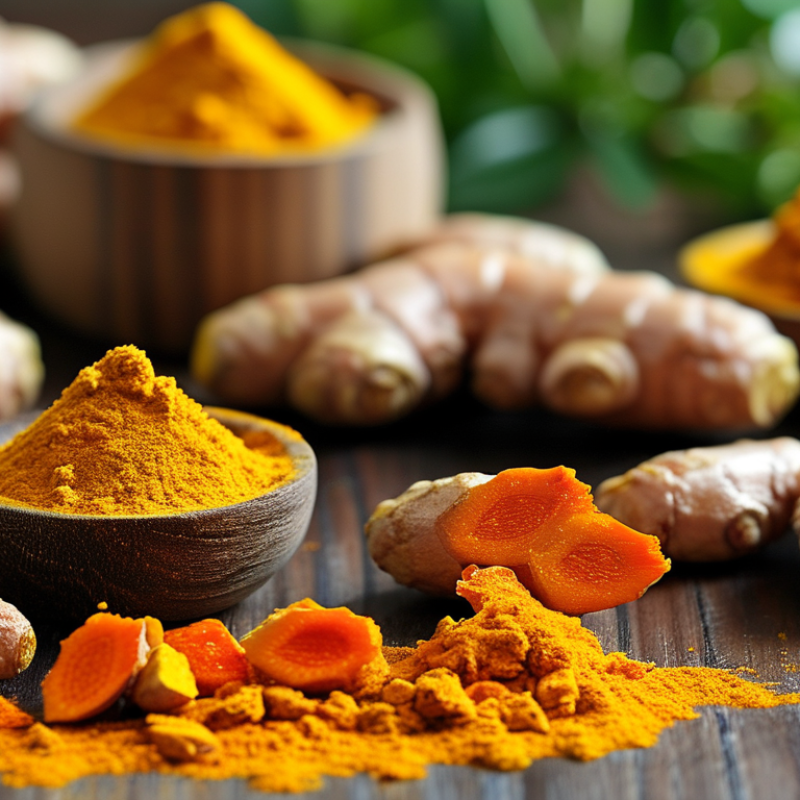
Understanding the Global Turmeric Market Trends for 2026
The global turmeric market is experiencing notable shifts, especially as we approach 2026. According to a report by Grand View Research, the turmeric market is projected to reach $1.6 billion by 2026, with a CAGR of 6.6%. This surge is driven by increasing awareness of turmeric's health benefits and the rising demand for natural supplements. The U.S. and Europe are leading consumers, but Asia-Pacific shows rapid growth, indicating a shift in sourcing dynamics.
Quality remains a vital concern. As demand increases, it’s essential to source high-quality extracts to ensure efficacy and safety. Studies have shown that not all turmeric extracts are created equal; bioavailability can vary significantly. A report from Nutritional Insights found that the absorption of curcumin, the active ingredient in turmeric, differs widely based on the extraction method. This highlights the need for careful sourcing.
Market trends indicate a growing preference for organic and sustainably sourced turmeric. Sustainability metrics are becoming increasingly critical for suppliers, as consumers are more conscious of their choices. Reports suggest that 70% of consumers prefer organic products. However, the challenge lies in balancing quality, sustainability, and cost. Businesses must navigate this landscape thoughtfully to maintain credibility in the market.
Identifying Key Quality Indicators in Turmeric Extract Production
In the quest for high-quality turmeric extract, identifying key quality indicators is crucial. The curcumin content is one of the most significant factors. Studies suggest that effective turmeric extract should contain a minimum of 95% curcuminoids. This threshold ensures the extract can deliver anti-inflammatory and antioxidant benefits. It's essential for producers to perform rigorous testing to verify these levels.
Another critical quality indicator is the source of the turmeric. Geographical origins can influence the chemical profile of the extract. For instance, turmeric from India is known for its rich curcumin content. However, not all regions yield the same quality. The soil type, climate, and harvesting methods can all affect the final product. A reputable report by the Journal of Agricultural and Food Chemistry highlights the disparities in chemical composition across different turmeric varieties.
In addition to these factors, contamination levels must be monitored. Heavy metals, pesticides, and other toxins can compromise the integrity of turmeric extract. Industry standards recommend that limits for heavy metals be established, with none exceeding 20 parts per million. This aspect calls for thorough testing and transparent sourcing practices, which remain challenges in the industry. As demand grows, ensuring these quality indicators remain stringent becomes increasingly important.
Evaluating Sourcing Strategies for High-Quality Turmeric Extract
When sourcing high-quality turmeric extract, one must evaluate various sourcing strategies. Transparency in the supply chain is crucial. Understanding where the turmeric is harvested impacts its quality significantly. Choose suppliers who are open about their sourcing practices. Look for certification that confirms sustainable harvesting methods.
Testing the final product is also essential. Request lab reports that provide details on curcumin content and purity levels. This information helps to ensure that the extract meets your quality standards. Consider regional differences in turmeric cultivation. Some areas produce more potent turmeric due to unique soil and climate conditions.
Building relationships with suppliers can enhance reliability. Regular communication and visits can foster trust. However, it's important to address any red flags along the way. Reflect on sourcing mistakes from the past; these experiences can guide better choices in the future. Quality is a journey, not an endpoint.
Regulatory Standards and Certifications for Turmeric Extract 2026
When sourcing high-quality turmeric extract in 2026, understanding regulatory standards is crucial. The landscape of dietary supplements is constantly evolving. Regulatory bodies are tightening their grip on product safety and efficacy. Turmeric, known for its anti-inflammatory properties, needs to meet specific requirements to ensure consumer safety.
Certifications play a vital role in establishing trust. Look for extracts that comply with recognized standards. For example, certifications from Good Manufacturing Practices (GMP) indicate a commitment to quality. Verified testing for contaminants is essential. These details often distinguish quality products from inferior ones.
While many sources claim to offer superior turmeric extract, not all live up to scrutiny. It’s important to evaluate the source. Transparency in sourcing and production processes is key. Some manufacturers provide lab results, showcasing their integrity. Be cautious of vague claims. Always question the sourcing details to find reliable suppliers.
Sustainable Sourcing Practices in the Turmeric Industry
Sourcing high-quality turmeric extract requires careful attention to sustainability. The turmeric industry has a significant impact on the environment, so adopting sustainable practices is essential. Farmers should use organic methods that avoid harmful pesticides. This helps protect the ecosystem and the health of the workers.
Tips: Look for suppliers who prioritize sustainable farming. Verify their farming practices and certifications. Engaging with local farmers can enhance the transparency of your supply chain. Ethical sourcing supports communities and promotes biodiversity.
Sustainable practices extend beyond farming. Processing must also consider environmental impacts. Look for companies that use low-energy methods and reduce waste. Recycled packaging is a small but effective way to minimize your carbon footprint.
Tips: Research companies that commit to sustainability. Ask about their waste management practices. They should demonstrate a focus on reducing their environmental impact. Fostering these connections helps ensure a reliable supply of turmeric extract for the future.
Extraction Yields of Turmeric Varieties (2022)