What is a Sludge Press and How Does it Work?
In the world of wastewater management, the "Sludge Press" plays a vital role. According to Dr. Emily Hart, a leading expert in environmental engineering, "The sludge press is essential for separating water from waste." This technology is crucial for improving waste processing efficiency.
A sludge press operates by using pressure to dewater sludge, transforming it into a manageable cake. This process significantly reduces the volume of waste that needs disposal. However, many facilities still struggle with optimizing this technology. Some plants may not fully understand their sludge characteristics, leading to ineffective operations.
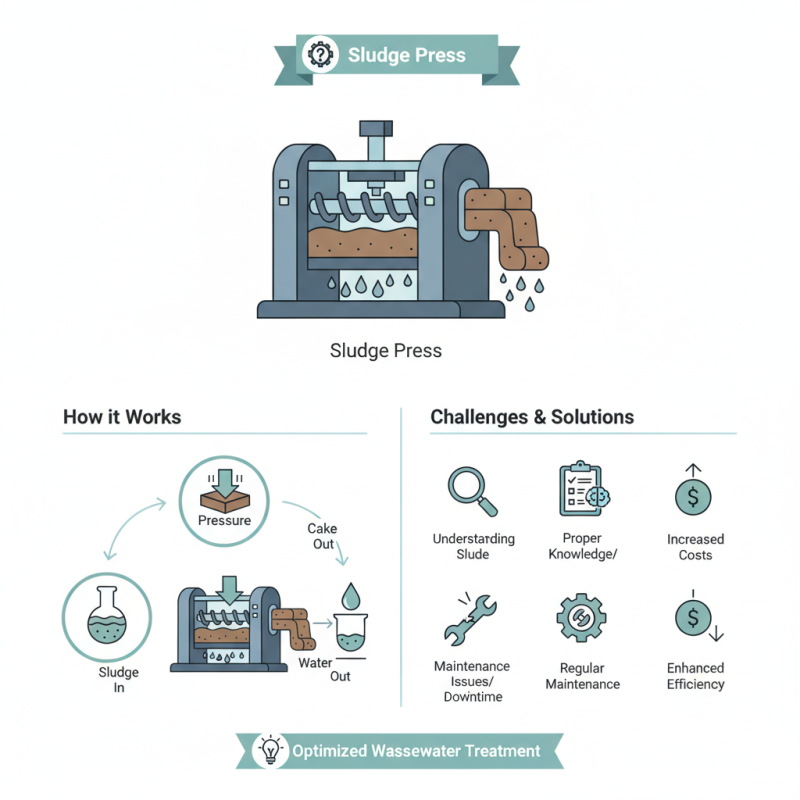
Moreover, maintaining a sludge press requires regular attention. Many operators face unforeseen challenges, resulting in downtime. This can hinder productivity and increase operational costs. Addressing these issues is imperative to realize the full potential of the sludge press. With proper knowledge and maintenance, wastewater treatment can be greatly enhanced.
What is a Sludge Press?
A sludge press is a crucial machine used in various industries. It plays a significant role in the dewatering process of sludge. This process removes water from waste materials, making them easier to manage. The sludge press functions by exerting high pressure on the sludge to separate liquid from solids.
During this process, thickening agents can be used. The solid components become a cake-like substance. This helps reduce the volume of waste. According to industry reports, effective sludge management can reduce waste volume by up to 90%. This reduction not only simplifies disposal but also decreases operational costs.
Tips: Regular maintenance of the sludge press is key. Check seals and hydraulic systems to prevent leaks. Additionally, adjusting the pressure settings can improve efficiency. Finding the right balance is crucial; too much pressure may crush solids while too little can leave excess moisture. For best results, operators should conduct training sessions to familiarize staff with the equipment.
Components of a Sludge Press
A sludge press is an essential piece of equipment in wastewater treatment. It helps to remove excess water from sludge, creating a drier and more manageable product. Understanding the components of a sludge press is crucial for its operation and maintenance.
At the heart of the sludge press are the filtering plates. These plates are arranged in a series, allowing sludge to be pumped in and then pressed. The pressure squeezes the water out, leaving behind cake-like solids. Additionally, a hydraulic system applies this pressure, ensuring that the filtration process is efficient. Yet, managing this system can be tricky. Incorrect pressure settings can lead to ineffective dewatering or even damage the plates.
Another important component is the conveyor system. This system transports the dewatered sludge away from the press for further processing or disposal. However, any hiccup in this system can cause a backlog, affecting overall efficiency. Regular maintenance is essential to avoid such issues. Keeping an eye on wear and tear on the conveyor and pressing components is vital for smooth operation.
The Process of Sludge Dehydration
Sludge dehydration is a critical process in waste management. It reduces the volume of sludge, making disposal easier and more efficient. The process typically begins with an initial thickening phase. Here, water is removed using gravity or mechanical means. This step is essential to prepare the sludge for further dehydration.
Once thickened, the sludge moves to a sludge press. This machine applies pressure to separate remaining water. As the sludge is pressed, solid waste is compacted into cake-like forms. The expelled water is often referred to as filtrate. This method helps to minimize the total amount of waste significantly. However, the efficiency of the process can vary based on sludge composition.
It's worth noting that not all sludge presses operate alike. Some machines might struggle with highly viscous sludge. This can lead to frequent maintenance issues and downtime. Operators sometimes face challenges in achieving desired dryness levels. Adjustments in pressure or time may be needed. Each situation presents a chance for learning and improvement.
Sludge Dehydration Process Efficiency
The chart above illustrates the solid content percentage of sludge at different stages of the dehydration process. It shows that the sludge press significantly increases the solid content, contributing to more efficient waste management.
Applications of Sludge Press in Various Industries
The sludge press plays a vital role in many industries. Wastewater treatment plants use it to reduce the volume of sludge. This process helps in managing waste more efficiently. The equipment applies pressure to separate water from the solid materials in the sludge, making disposal easier.
In mining, sludge presses are crucial. They handle tailings management by dewatering waste materials. This minimizes the environmental impact of mining activities. Additionally, food processing plants utilize sludge presses to manage organic waste. They help extract liquid from food scraps, aiding in waste reduction.
Despite its benefits, the sludge press is not without challenges. The efficiency can vary, leading to inconsistencies in dewatered sludge quality. Sometimes, operators may overlook maintenance needs, affecting performance. Ensuring optimal operation requires regular monitoring and adjustment, which can be demanding.
Maintenance and Operation of a Sludge Press
Maintaining a sludge press is crucial for its efficiency. Regular checks can prevent major issues. Operators should inspect the machine daily. This includes monitoring pressure readings and checking for leaks. A simple visual inspection can reveal wear and tear. If any issues arise, they need immediate attention.
The operation of a sludge press requires specific techniques. It's essential to understand the process flow. Proper loading of sludge ensures even distribution. Inadequate loading can lead to uneven pressure and inefficient dewatering. Operators might need to adjust the feed rate based on sludge consistency. Sometimes, experimenting with these settings reveals better results.
Cleaning the machine after use cannot be overlooked. Residual sludge can accumulate and create problems later. A thorough wash helps maintain performance. However, this task can be time-consuming. It requires a balance between thoroughness and efficiency. Regular training for operators can enhance their skills. A knowledgeable team is essential to minimize downtime.