What Is a Pleated Skirt and How Is It Made?
A Pleated Skirt is more than fabric folded into repeated lines. It is a garment shaped by measurement, pressure, heat, and careful finishing. The folds may be narrow knife pleats, broad box pleats, or soft accordion pleats. Each style changes the skirt’s movement, volume, and visual balance.
Issey Miyake’s approach offers a useful design perspective. He said, “Design is not for philosophy—it is for life.” His pleated clothing demonstrates that idea through practical movement and flexible structure. A well-made Pleated Skirt should open as the wearer walks, then return neatly to its original form. It should feel comfortable at the waist, not merely look precise on a hanger.
The making process begins with fabric selection. Polyester often holds permanent pleats well. Wool, cotton, and silk may need different treatments or added stitching. The fabric is marked, folded, and pressed with controlled heat. Some manufacturers use pleating machines, while artisans may work with paper molds. The waistband is attached after the pleat pattern is stabilized. Small errors can spread across the entire garment.
That is the difficult part.
This guide explains what a Pleated Skirt is, how its folds are formed, and why materials matter. It also examines durability, care, fit, and production limits. Not every pleat remains perfect forever. Humidity, washing, friction, and careless ironing can change its shape. Understanding those weaknesses makes the garment easier to evaluate and wear.
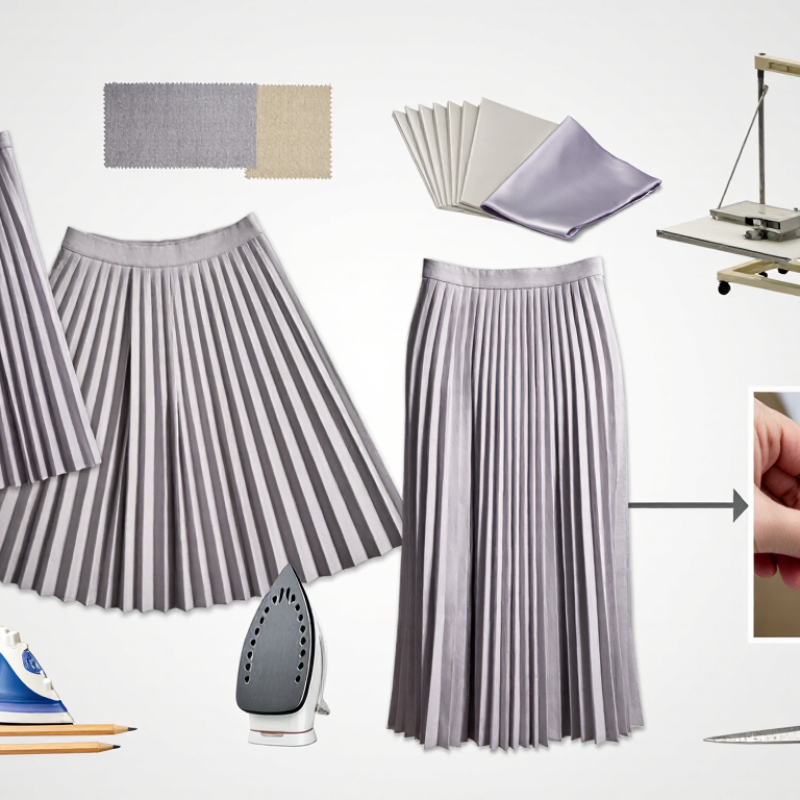
What a Pleated Skirt Is and How Its Structure Works
What Is a Pleated Skirt and How Is It Made?
A pleated skirt is built from repeated folds that shape flat fabric into a structured garment. Each pleat contains a fold line, an inner section, and an outer section. The spacing and depth of these parts control the skirt’s volume and movement. Narrow pleats create a neat, controlled silhouette, while wider pleats produce a softer swing.
The structure usually begins with a carefully measured pattern. The waist measurement must allow for every folded section, not just the visible surface. Knife pleats face one direction, box pleats open away from a central line, and inverted pleats fold toward the center. A waistband stabilizes the top edge, while a side or back opening allows the wearer to put on the skirt. The hem should be balanced after pleating, because uneven folds can make the garment hang poorly.
Pleats may be pressed, stitched, or formed with controlled heat, depending on the fabric. Natural fibers often respond well to pressing, but some materials relax after washing or repeated sitting. This is where construction becomes less predictable. A skirt can look precise on a worktable and shift during daily wear. I have found that testing a small fabric sample prevents many mistakes. Still, the sample cannot reveal everything. Body movement, humidity, and fabric weight may change the final shape. A reliable maker checks the pleat depth, grain direction, and waistband tension before finishing the garment.
What Is a Pleated Skirt and How Is It Made?
A pleated skirt is made by folding fabric into repeated, controlled sections. Each pleat contains visible folds, hidden fabric intake, and a stitching or pressing point that helps the folds keep their shape. The chart shows the typical number of fold lines used in one repeat of four common pleat structures.
Key Materials, Measurements, and Tools for Making One
A pleated skirt is built from repeated folds that add movement and controlled fullness. The pleats may be knife, box, or accordion styles. Each type changes the skirt’s shape and sewing method.
Fabric choice affects the result more than many beginners expect. Lightweight cotton creates crisp folds and handles pressing well. Polyester blends can hold pleats, while soft rayon produces a fluid drape. Avoid fabric that frays heavily unless you can finish the edges carefully.
A skirt usually needs the wearer’s waist measurement, desired length, and hip measurement. Add ease at the hips for comfortable movement. For a simple knife-pleat design, calculate the total pleated width before cutting.
For example, a 70-centimeter finished waist may require 210 centimeters of fabric with a three-to-one fullness ratio. This ratio is only a starting point.
Useful tools include a measuring tape, ruler, fabric chalk, sharp scissors, pins, an iron, and a pressing cloth. A pleat template made from sturdy paper can keep each fold consistent.
Mark the fabric on the wrong side. Press each fold before stitching. I usually baste the pleats first and check the fit before attaching the waistband.
My first sample is rarely perfect. Some folds shift by a few millimeters. That small error becomes visible around the waist. Adjusting the measurements after a test fitting often saves fabric and frustration.
A narrow hem, stable waistband, and secure seam finishes help the skirt survive repeated wear.
Forming, Setting, and Securing the Pleats
A pleated skirt is shaped by folding fabric into repeated ridges and valleys. The pleats may be knife, box, or accordion style. Each type changes the skirt’s movement and visual weight. Good results begin with accurate measurements, a stable fabric, and a clear pleat plan. The fabric usually needs extra width because pleats consume material. For example, three inches of folded fabric may create only one inch of finished width.
Forming the pleats requires careful marking on the fabric’s wrong side. Tailor’s chalk or removable thread can identify every fold line. I prefer measuring from the center front, then working toward the side seams. Small errors multiply quickly. Fold each pleat along its marked line, matching the next valley precisely. Baste across the upper edge before pressing. This temporary stitching holds the pattern while the skirt is handled. It also reveals uneven spacing before permanent construction begins.
Setting the pleats depends on the fiber content. A wool blend responds well to controlled steam and a press cloth. Synthetic fabric may need gentle, fiber-specific heat, because excessive temperature can flatten or shine the surface. Press down; do not drag the iron across the folds. After pressing, secure the pleats with waistband stitching, a facing, or narrow internal stitches. Some garments also use temporary pleat tape during storage. Pleats can relax after washing or repeated sitting. I once trusted pressing alone, and the waist looked neat while the lower folds drifted. A second fitting would have caught it. Check the hem with the skirt hanging naturally, then adjust the pleats before final stitching.
Assembling, Finishing, and Caring for the Skirt
A pleated skirt is built from repeated folds that create rhythm, volume, and controlled movement. During assembly, the maker measures the waist, hip, and hem before setting each pleat. Small errors can multiply across the panel. That part is easy to underestimate.
For stable pleats, the fabric is folded along marked lines and pressed with suitable heat and moisture. Synthetic fibers may require lower temperatures, while wool and cotton need different pressing methods. A temporary basting stitch can hold the folds during sewing. The side seams should align without flattening nearby pleats. The waistband is then attached, usually with a zipper, hook, or concealed fastening. Experienced makers test one pleat first, because fabric weight changes the final shape. My own preference is careful pressing, but pressing too aggressively can leave unwanted shine.
Finishing requires clean seam allowances, secure hems, and a final inspection under natural light. The Textile Exchange Materials Market Report 2024 estimated global fiber production at 124 million tonnes in 2023. Durable construction therefore matters beyond appearance. Care also affects a garment’s useful life. WRAP’s Valuing Our Clothes report found that extending clothing use by nine months could reduce carbon, water, and waste footprints by about 20%. Air the skirt after wearing, and wash it only when necessary. Follow the care label, use a laundry bag, and avoid twisting the pleats. Store the skirt on a hanger with enough space. Folded storage may create stubborn horizontal lines. Even careful maintenance is imperfect; some pleats will soften, and that change can reveal how the fabric actually lives.