What is Custom Solid Drink Form and Its Benefits for Buyers?
As consumer preferences evolve, the demand for personalized nutrition increases. One area gaining attention is the "Custom Solid Drink Form." This innovation offers tailored solutions for health-conscious buyers. A market research report from Allied Market Research indicates that the global dietary supplements market is expected to reach USD 278.02 billion by 2024, growing at a CAGR of 7.8%. Custom solid drinks align with these trends, providing a unique way to meet individual health needs.
Consumers are increasingly seeking products that fit their specific dietary requirements. Custom solid drinks can cater to various preferences, such as vegan, gluten-free, or low-sugar options. Research by Transparency Market Research shows that 62% of consumers prioritize products with health benefits. Custom forms can help brands differentiate themselves through unique flavors and nutritional profiles. However, challenges remain in sourcing high-quality ingredients and maintaining consistent production standards.
While the benefits seem clear, potential drawbacks exist. High costs and intricate formulation processes can complicate production. Brands must navigate these challenges carefully. Balancing customization and affordability is crucial for success. Overall, the Custom Solid Drink Form represents a promising niche in the health beverage market, but it requires thoughtful consideration to fully capitalize on its potential.
What Constitutes Custom Solid Drink Form?
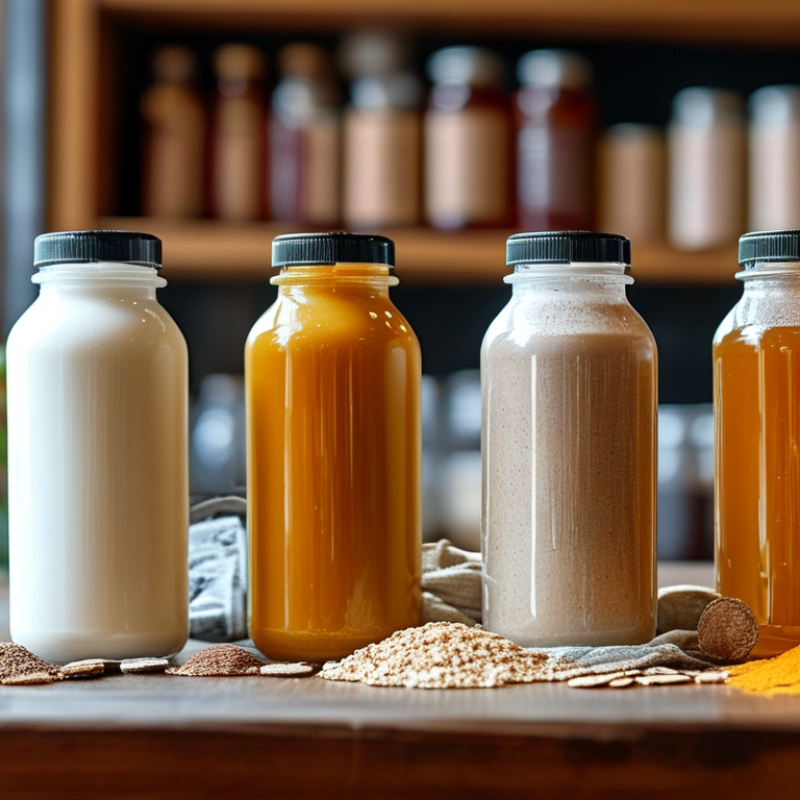
Custom solid drink forms are tailored substances designed to dissolve in liquids, providing personalized nutrition and flavoring. They offer a vibrant alternative to traditional powdered drinks. The composition of these drinks often includes vitamins, minerals, and flavoring agents to meet specific dietary needs. This customization allows buyers to choose exactly what goes into their drinks, addressing personal health goals.
Ingredients in custom solid drink forms can vary greatly. They may include natural extracts, probiotic cultures, and plant-based components. Buyers have the opportunity to reflect on their preferences and nutritional requirements. However, it can be challenging to know the right balance. Each ingredient affects taste and functionality, and finding the ideal mix can require trial and error. This process of customization invites users to think critically about what fuels their bodies.
The benefits of these products can extend beyond mere convenience. They can promote hydration, boost energy, and support overall wellness. However, potential buyers should consider their individual health conditions before choosing specific ingredients. Not all combinations work for everyone. Understanding one’s body and its reactions is essential for maximizing the benefits of custom solid drink forms.
Key Ingredients Used in Custom Solid Drink Formulations
Custom solid drink forms are becoming increasingly popular among consumers seeking convenience and nutrition. These formulations often include key ingredients that cater to diverse dietary needs. Proteins, vitamins, and natural sweeteners are some of the primary components. According to a recent industry report, the global solid drink market is expected to grow by 8% annually, reflecting rising consumer interest in health-focused products.
Many of these drinks are crafted with ingredients like plant-based proteins and probiotics. Plant proteins, such as pea and soy, offer essential amino acids. Probiotics enhance gut health, a significant concern for many buyers. Additionally, natural sweeteners like stevia and monk fruit are often used to reduce caloric intake. This aligns with the growing trend of sugar reduction in food products. However, while these ingredients may seem beneficial, there's an ongoing debate about their long-term health effects.
The sourcing of ingredients can also raise questions. Not all formulations provide clear information about their origins. Buyers may not know whether the ingredients are sustainably sourced. Transparency is crucial in building trust with consumers. Moreover, the high variety of formulations can lead to confusion. This calls for a more standardized approach to nutrient labeling in the industry.
What is Custom Solid Drink Form and Its Benefits for Buyers? - Key Ingredients Used in Custom Solid Drink Formulations
| Ingredient | Function | Health Benefits | Common Uses |
| Protein Isolate | Muscle building, satiety | Supports muscle growth and weight management | Protein shakes, meal replacements |
| Maltodextrin | Carbohydrate source | Quick energy boost | Energy drinks, sports nutrition |
| Flavoring Agents | Enhances taste | Improves consumer acceptance | Various beverages and supplements |
| Vitamins & Minerals | Nutritional enhancement | Supports overall health | Fortified drinks and nutritional products |
| Stabilizers & Emulsifiers | Texture and stability | Improves mouthfeel and shelf life | Smoothies, shakes, and creamers |
Advantages of Custom Solid Drink for Buyers
Custom solid drinks are transforming the beverage market. These innovative products offer unique health benefits and convenience. According to a 2023 report by the Beverage Industry Association, 65% of consumers are looking for personalized beverage options. Custom solid drinks meet this demand, allowing individuals to tailor flavors and nutritional content.
One major advantage of custom solid drinks is their portability. They are easy to carry, fitting conveniently into bags or pockets. Consumers appreciate this feature, especially those with busy lifestyles. Furthermore, many solid drinks boast a longer shelf life than their liquid counterparts. This durability can reduce food waste and ensure that consumers enjoy their beverages when they want.
Health-conscious buyers benefit significantly from these drinks. Custom formulations allow for added vitamins, minerals, or protein powder. Reports show that 70% of health-focused consumers prefer products with clear ingredient labels. However, it's crucial to stay informed about the ingredients used. Misleading marketing claims can sometimes obscure the true nutritional value. Thus, transparency from manufacturers is essential for building trust with buyers.
Market Trends Influencing Custom Solid Drinks Demand
The demand for custom solid drinks is rapidly increasing, influenced by evolving consumer preferences. According to a report by Market Research Future, the global solid drink market is projected to grow at a compound annual growth rate (CAGR) of 6.1% from 2022 to 2028. The trend indicates a shift towards personalization in nutritional products. Customers desire tailored solutions that cater to their specific dietary needs.
Health-conscious consumers are driving this trend. A survey from Food Industry Association revealed that 55% of consumers seek convenient health solutions. Solid drinks offer portability and ease, aligning with a busy lifestyle. Additionally, the rise of functional beverages is noteworthy. Reports show that 66% of consumers prefer drinks that provide health benefits, such as vitamins and minerals.
Yet, there are challenges in this evolving landscape. Manufacturers must ensure flavor profile satisfaction while accommodating diverse dietary restrictions. The innovation process can be inconsistent and time-consuming. Balancing taste, nutrition, and convenience remains a point for improvement. Addressing these challenges is crucial for maintaining relevance in a competitive market.
How to Select the Right Custom Solid Drink Supplier
Choosing the right custom solid drink supplier is crucial for ensuring quality and satisfaction. A reliable supplier should offer flexibility, allowing you to create unique formulations. Look for one with a strong track record and customer testimonials. This suggests they are experienced and trustworthy.
Tips: Research suppliers in your niche. Visit their facilities if possible. This can give insight into their production processes and quality standards.
Communication is key. A good supplier should understand your needs and be responsive. Ask for samples to assess flavor and texture. This step is essential to making an informed decision.
Be cautious about claims. Some suppliers might make lofty promises. Verify their certifications and quality assurance processes. This minimizes risks associated with your investment. Ultimately, the right supplier can elevate your brand and enhance customer satisfaction.