

What Are Clogs Shoes and Why Are They Popular?

Clogs Shoes are no longer limited to garden paths, hospital floors, or traditional workwear. Today, people wear them with denim, linen trousers, and even tailored coats. Their appeal comes from a useful mix of comfort, durability, and distinctive design.

A typical pair features a roomy toe box, a firm sole, and an easy slip-on shape. Wooden soles may feel stiff at first. Foam, rubber, and molded materials can feel softer. The right choice depends on fit, walking habits, and personal comfort. Podiatrist Dr. Miguel Cunha explains, “Clogs can provide stability and support, but comfort still depends on proper fit.” That practical warning matters.

Clogs Shoes also carry cultural history. European workers valued their protective construction, while modern brands reshaped the silhouette for everyday fashion. Their raised profile can improve ground clearance. Their open-back design saves time during busy mornings. Small details matter.

Still, popularity does not make every clog suitable for every foot. Some pairs feel heavy after long walks. Others offer little cushioning on hard pavement. I have noticed that style often wins the first try-on, but comfort decides whether people wear them again.

This guide explores what Clogs Shoes are, where they came from, and why they remain popular. It also considers materials, fit, styling, and everyday performance. The answer is less simple than “they are comfortable.” Sometimes, they are practical. Sometimes, they are nostalgic. Sometimes, they simply look different.
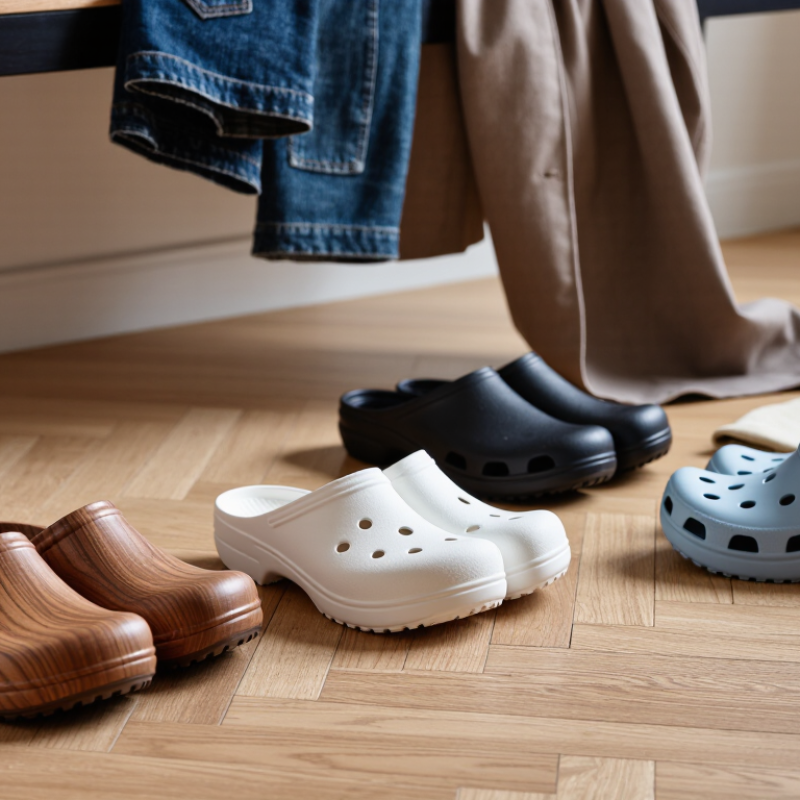
What Are Clogs Shoes and Why Are They Popular?

What Are Clogs? Definition and Core Characteristics

Clogs are shoes with a roomy upper and a distinct, structured sole. Traditional designs often use a wooden sole, while modern versions may use rubber, foam, or molded polymers. The heel is usually raised, and the toe box looks rounded rather than sharply tapered. Many styles leave the heel open, but some include a back strap or enclosed counter. The category is not perfectly tidy.

Their core characteristic is underfoot stability. A firm sole resists bending, while a broad base spreads pressure during standing and walking. Some clogs also provide arch shaping, slip-resistant tread, and washable surfaces. These details matter in kitchens, workshops, clinics, and other demanding settings. However, a stiff sole does not automatically mean better comfort. Fit, weight, and walking ability still require careful assessment.

Industry data helps explain their visibility. The World Footwear Yearbook 2024 reported global footwear production of about 23.9 billion pairs in 2023, showing the scale of this competitive market. Grand View Research also projects continued growth in the global footwear market through 2030. Clogs appeal because they combine practical structure with an easy, recognizable shape. In real fitting, though, an overly loose heel can reduce control, while a narrow toe box defeats the design’s purpose. Comfort claims should remain measured, not assumed.

How Clogs Developed Across Different Cultures

What Are Clogs Shoes and Why Are They Popular?

Clogs are shoes with a firm, shaped sole and a roomy upper. Their history crosses several cultures, rather than belonging to one single tradition. In parts of Europe, wooden-soled footwear protected workers from wet ground, mud, and rough paths. The exact origins are difficult to prove, because similar shoes appeared in different regions at different times.

In the Netherlands, wooden footwear became practical for farm work and daily travel. In northern Europe, makers adapted clogs to local weather and available materials. Japanese wooden sandals also offered height, airflow, and protection from damp streets. These styles were not identical, but they shared a useful idea: keep the foot raised and supported. Modern clogs often use lighter materials, softer linings, and flexible soles. Comfort made them popular beyond workplaces. Fashion helped, too, though comfort claims depend on fit and foot shape. Some people find the firm sole tiring after long walks. That point is easy to overlook.

Tips: Choose a size that leaves toe room without letting your heel slide. Walk indoors first and check pressure around the arch. A textured sole can improve grip, but no shoe prevents every slip. Rotate clogs with other footwear when your feet need different support. Examine the sole regularly, especially after walking on wet or uneven surfaces.

What Are Clogs Shoes and Why Are They Popular? — How Clogs Developed Across Different Cultures

Overview of clog characteristics, cultural development, and enduring popularity.
Dimension Historical or Cultural Context Typical Characteristics Why It Matters
Basic Definition Clogs are traditionally sturdy shoes with a thick, relatively rigid sole. Many historical examples used a sole carved from a single piece of wood. Raised sole, roomy toe area, supportive construction, and a shape that may cover the front of the foot. The structure distinguishes clogs from ordinary soft-soled shoes and helps explain their reputation for durability.
Ancient and Medieval Precursors Wooden footwear and protective overshoes appeared in several parts of Europe and Asia before modern clog styles were standardized. Simple forms prioritized protection from wet, muddy, cold, or rough ground. The early history shows that protective footwear developed in response to local climates, work, and available materials.
The Netherlands Wooden shoes known as klompen became strongly associated with Dutch rural life, farming, and wet landscapes. Carved wooden uppers and soles, often shaped to provide protection from damp ground and workplace hazards. Dutch wooden shoes are among the best-known cultural examples of clogs and remain an important symbol of regional heritage.
France and Belgium Wooden footwear was worn by rural workers and craftspeople in parts of France and Belgium; the French term sabot is associated with wooden shoes. Hand-shaped wooden soles, practical uppers, and designs adapted to agricultural or workshop conditions. These traditions helped connect clogs with working-class history, craftsmanship, and functional design.
Scandinavia Wood-soled footwear developed in northern European communities where practical shoes were needed for outdoor work and variable weather. Wooden soles were combined with leather or textile uppers in some regional styles. Mixed-material construction improved flexibility and comfort while preserving the protective sole.
Japan Traditional Japanese wooden footwear includes geta and pokkuri, which are culturally distinct from European clogs but share the use of raised wooden bases. Wooden platforms, elevated supports, and textile straps; shapes vary according to purpose and occasion. The comparison demonstrates that raised wooden footwear emerged in different cultures for both practical and ceremonial reasons.
Workwear Function Clogs were used by agricultural workers, factory workers, miners, and other laborers in various regions, although designs differed by location. Rigid soles can help shield feet from mud, uneven surfaces, and certain minor impact risks. Their connection with labor explains why clogs are often evaluated for protection, stability, and long wear.
Materials Traditional makers commonly used locally available wood, while later styles incorporated leather, rubber, cork, textiles, and synthetic materials. Material choice affects weight, flexibility, moisture resistance, breathability, and maintenance needs. Modern material combinations allow clog-inspired footwear to be lighter and more versatile than fully wooden designs.
Comfort and Fit Many clog designs use a broad forefoot and a shaped footbed, while comfort varies substantially between construction methods and individual feet. Supportive footbeds, adjustable straps, heel coverage, and roomy toe boxes are common design features. A stable fit can make clogs attractive for long periods of standing, but correct sizing and walking style remain important.
Fashion Revival Clog silhouettes periodically returned to fashion during the twentieth century and continued to be reinterpreted in contemporary clothing. Decorative studs, colorful uppers, platform soles, open backs, and modern molded forms broaden the style range. The combination of recognizable heritage and adaptable styling helps clogs move between workwear, casualwear, and fashion.
Reasons for Continued Popularity Clogs combine long-standing cultural associations with practical features valued in modern everyday footwear. Easy slip-on access, durable construction, distinctive appearance, and multiple material options. Their popularity comes from a balance of function, comfort, recognizable identity, and styling flexibility.
Important Limitation Not every clog has the same construction, and historical wooden shoes should not be treated as identical to modern casual clogs. Weight, sole stiffness, traction, heel security, and ventilation differ by design. Evaluating the specific shape and materials is more reliable than judging all clogs as one uniform category.

Key Design Features and Materials Used in Clogs

What Are Clogs Shoes and Why Are They Popular?

Clogs are slip-on shoes with a roomy toe box and a firm, supportive sole. Their shape allows toes to spread naturally during walking. Many designs include an open back, while others use an adjustable heel strap. This simple structure makes clogs easy to wear at home, work, or outdoors.

Key Design Features and Materials Used in Clogs

The sole is usually the most important feature. Wood creates a distinctive, firm step, but it can feel heavy on hard surfaces. Cork is lighter and gradually follows the foot’s shape. EVA foam reduces weight and provides soft cushioning, although it may compress over time. Rubber adds grip, especially on wet floors, while polyurethane offers durability and shock absorption.

The upper may use leather, canvas, wool, synthetic textiles, or molded foam. Leather can become softer with use, but it needs protection from moisture. Canvas feels breathable, yet it may stain quickly. Molded materials resist water and are easy to clean. Small details matter. A padded edge can prevent rubbing, and a textured footbed can reduce sliding.

A practical fitting test is simple. Walk indoors for several minutes. Check whether your heel lifts excessively or your toes press against the front. Clogs should feel secure, not loose. They are not perfect. Firm soles may feel tiring after long walks, and wide shapes may not suit every foot. A softer model can help, but excessive cushioning may reduce stability.

Why Clogs Became Popular in Modern Fashion

Clogs are slip-on shoes with a sturdy sole and a roomy upper. Traditional pairs often use carved wood, leather, or molded materials. Their open back makes them easy to wear, while the raised sole adds height and visual weight. I first noticed their appeal during long market walks, when quick movement mattered more than polished appearance.

Clogs became popular in modern fashion because they balance comfort with a strong shape. Designers began pairing them with wide trousers, soft dresses, denim, and plain socks. The result feels relaxed, but never completely careless. Their practical history also gives them a believable character. People can wear them for errands, creative work, or casual gatherings without changing shoes. That flexibility suits wardrobes built around fewer, more useful pieces.

The trend is not only about comfort. Many wearers enjoy the sound of a firm sole and the grounded feeling underfoot. Clogs also photograph well because their silhouette looks bold from a distance. Still, they can feel heavy, and some soles need time to soften. I once chose a pair for appearance alone and regretted it after several hours. Fit, arch support, and walking habits matter more than fashion images suggest. That lesson is easy to forget.

What Are Clog Shoes and Why Are They Popular?

Documented fashion-cycle signals showing how clogs moved from traditional workwear into modern fashion.

Clogs became popular because they combine a distinctive silhouette with practical features such as a sturdy sole, roomy fit, and easy slip-on construction. Their fashion popularity expanded during the 1970s platform-shoe movement, returned through 1990s and early-2000s casual styling, and gained renewed attention in the 2020s as comfort-focused dressing became more influential. The chart uses a relative historical popularity index based on these widely documented fashion periods; it is not company or brand sales data.

How to Choose and Wear Clogs Comfortably

Clogs are popular because their firm soles, open heel, and spacious shape make daily walking feel easy. Choosing the right pair, however, requires more than liking the color. Measure both feet late in the day, when mild swelling is common. Check that your toes can move without touching the front. A roomy toe box matters. The heel should stay mostly secure, not slide with every step. Fit matters most.

Look for a supportive footbed, gentle arch shaping, and a sole with reliable grip. Lightweight materials can reduce tiredness during errands or long periods of standing. When trying clogs, wear the socks you normally use. Walk on a clean, hard surface for several minutes. Notice pressure under the ball of your foot and around the instep. Start slowly. I once wore a stiff pair for a full afternoon, and my heels felt hot by evening. That was my mistake. Comfort should build gradually, not demand stubbornness.

Adjustable straps can improve stability, especially on stairs or uneven paths. Keep the heel from lifting sharply, but avoid tightening the strap until your toes feel cramped. Clogs with smooth interiors may reduce rubbing, although individual feet respond differently. If a pair causes repeated blisters, numbness, or lingering pain, stop wearing it and seek advice from a qualified foot-care professional. A small fit problem rarely disappears by itself.

Article Source: