How to Choose the Best Food Grade Packaging for Your Needs?
In the food industry, the choice of Food-Grade Packaging is crucial. Reports indicate that the global food packaging market is projected to reach $500 billion by 2025. This highlights the growing importance of selecting the right materials. Food-grade packaging ensures safety and integrity for food products, impacting consumer trust.
Consumer demand for sustainable options is rising. About 74% of shoppers are willing to pay more for eco-friendly packaging. However, not all Food-Grade Packaging is created equal. Different materials offer varying levels of protection and shelf life. This reflects a critical need to understand specific requirements and potential trade-offs.
Choosing food-grade packaging involves weighing factors like material, cost, and environmental impact. It's easy to overlook the long-term benefits of investing in quality packaging. Many businesses may prioritize cost over safety, leading to potential risks. Understanding these nuances is vital for making informed decisions that ensure product safety and consumer satisfaction.
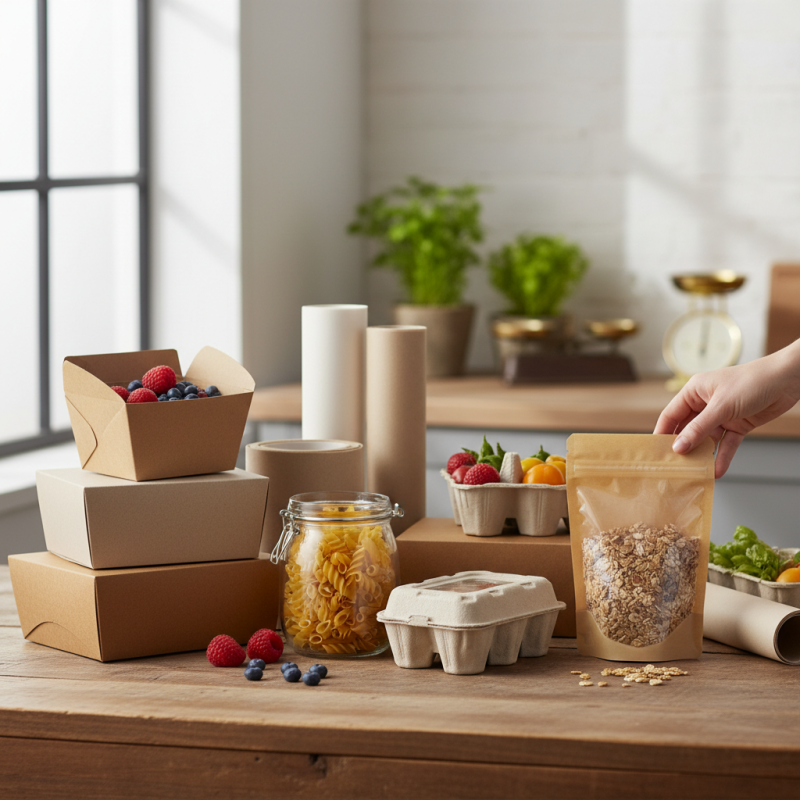
Understanding Food Grade Packaging Standards and Regulations
Food grade packaging must meet specific standards to ensure safety and quality. According to the U.S. Food and Drug Administration (FDA), materials used in food packaging must not contaminate food. They should resist moisture, light, and air. For instance, plastics often comply with these regulations, but not all types are safe. Materials like polyethylene and polypropylene are widely accepted. Yet, some uses may risk chemical leaching. Proper testing is essential.
Regulations vary globally. The European Union has stringent guidelines for food packaging. Under the European Regulation (EC) No 1935/2004, food contact materials must be safe. Manufacturers must provide information on migration levels. Some studies indicate nearly 30% of packaging on the market does not meet these standards. This raises concerns about consumer safety. Choosing packaging requires vigilance. Peer-reviewed research suggests that awareness of compliance is crucial for producers. Adopting the right standards can prevent potential health risks.
Understanding these regulations is key in selecting suitable packaging. Different regions have different requirements. It’s easy to overlook these details. Without thorough checks, companies may face recalls or lawsuits. Packaging choices impact not just safety but also brand reputation. Many businesses still struggle with compliance. A careful evaluation of food grade packaging can make a significant difference.
Types of Food Grade Packaging: Comparing Materials and Their Applications
When selecting the right food-grade packaging, understanding material types is crucial. Common options include plastic, glass, metal, and paper. Each has unique properties and uses, impacting food safety and shelf life.
Plastic is popular for its lightweight and flexibility. It comes in various forms, such as PET and HDPE. However, it may not be as environmentally friendly. Glass is non-reactive, preserving food quality, but it’s heavier and can break easily. Metal, like aluminum, offers excellent barrier properties. Yet, it may require coatings to prevent reactions with food. Paper is biodegradable and can be recycled, but it often lacks durability.
Consider how these materials affect your product's safety and freshness. Relying solely on one type could lead to shortcomings. For instance, plastic bags are convenient but may leach chemicals if not properly managed. Each option carries advantages and drawbacks. Choosing packaging isn't simple; it requires careful thought and ongoing assessment.
Comparison of Food Grade Packaging Materials
Key Factors Affecting Food Package Selection: Safety, Cost, and Sustainability
When selecting food-grade packaging, safety is paramount. The materials must be non-toxic and compliant with regulations. Ensure that the packaging does not leach harmful substances into the food. Testing for migration of chemicals is essential. This process can sometimes be overlooked, yet it is crucial for consumer health.
Cost is another significant factor. While premium packaging might offer advantages, it isn't always feasible for every business. Striking a balance between quality and affordability requires careful consideration. Cheap options may lead to compromised safety or spoilage. Avoiding these pitfalls should be a priority for producers.
Sustainability is increasingly important. Consumers prefer eco-friendly options that minimize waste. However, sustainable materials can sometimes be costlier. This presents a challenge for many businesses. It's vital to explore innovative solutions that fulfill both sustainability and economic requirements. Rethinking packaging strategies can lead to better outcomes.
How to Choose the Best Food Grade Packaging for Your Needs? - Key Factors Affecting Food Package Selection: Safety, Cost, and Sustainability
| Packaging Type | Material | Safety Rating | Cost per Unit | Sustainability Score |
| Rigid Plastic Container | PET | A | $0.15 | 75 |
| Flexible Film | Polyethylene | B | $0.05 | 60 |
| Glass Jar | Glass | A+ | $0.25 | 85 |
| Metal Can | Aluminum | A | $0.20 | 70 |
| Cardboard Box | Recycled Paper | B+ | $0.10 | 90 |
Evaluating Shelf Life and Freshness: Importance of Proper Packaging
When considering food packaging, evaluating shelf life and freshness is crucial. Proper packaging can extend the life of products significantly. According to a report by the Food Packaging Association, 70% of consumers are influenced by packaging when buying food. The right materials can preserve flavors and nutrients, enhancing overall quality.
Oxygen and moisture are enemy number one for food longevity. For instance, vacuum-sealed packaging can reduce spoilage by up to 50%. Yet, not all options suit every product. Some complex foods may require multi-layer packaging to protect against environmental factors. Packaging that doesn’t breathe well can lead to condensation, affecting freshness.
It’s also important to note that consumer psychology plays a role. Research shows that 90% of purchasing decisions are made subconsciously. This means even the aesthetic of the packaging matters. However, companies must balance appearance with functionality. Some appealing designs may compromise the food's longevity. This is a vital consideration for any business looking to maintain quality.
Industry Trends: Innovations in Food Grade Packaging Technologies
The food packaging industry is evolving rapidly. Recently, innovations have emerged that enhance safety, sustainability, and usability. Packaging made from plant-based materials gains popularity. It not only protects food but also reduces environmental impact. Smart packaging technology is also being developed. For example, sensors can monitor freshness and detect spoilage. This offers consumers peace of mind about food quality.
When choosing food-grade packaging, consider the materials. Opt for biodegradable options when possible. This choice can emphasize your commitment to sustainability. It also meets growing consumer demand for eco-friendly products. Think about your product's specific needs. Does it need airtight sealing? Or light protection? Each food type has unique packaging requirements.
Tips: Look for certifications that guarantee safety. Ensure the packaging material complies with food contact regulations. Test different designs to see what works best. User feedback can be invaluable. Remember, innovative packaging can sometimes sacrifice simplicity. Don't overlook practicality in pursuit of the latest trends.