
7 Best Tactical Winter Jacket Options for Global Buyers?

Choosing the right Tactical Winter Jacket is rarely about appearance alone. Global buyers need warmth, weather protection, mobility, and dependable construction.

This guide examines seven practical options for different winter environments and purchasing priorities. Each jacket should be considered against local temperatures, wind exposure, rain, and daily activity. A heavily insulated coat may suit freezing urban commutes, while a lighter layered design may perform better in changing climates. Small details matter. Zipper quality, cuff adjustment, hood coverage, and pocket placement can influence comfort after several hours outdoors.

Material claims also deserve careful attention. Look for clear fabric specifications, tested insulation information, washable-care instructions, and transparent sizing charts. Reliable suppliers should explain manufacturing standards, warranty terms, delivery conditions, and return policies. These details help buyers compare products fairly across regions. They also reduce unpleasant surprises after purchase.

No single jacket fits every market. That is the honest limitation. A design praised in northern Europe may feel excessive in milder coastal weather. Likewise, a compact jacket may lack sufficient protection during prolonged exposure. This review therefore balances user experience, technical features, supplier credibility, and practical value. The goal is not to promote one universal winner, but to identify suitable choices for different buyers, climates, and budgets. Expect useful comparisons, but verify current specifications before ordering. Product details can change.
7 Best Tactical Winter Jacket Options for Global Buyers?

Tactical Winter Jackets Explained: ECWCS Layers and EN 342 Thermal Standards

Choosing among seven tactical winter jacket options requires more than checking insulation thickness. The U.S. Army’s ECWCS Gen III documentation describes a seven-layer clothing system, from moisture-wicking base layers to windproof outer shells. A jacket should support this system, not replace it. Practical options include a fleece-compatible shell, synthetic-insulated jacket, waterproof shell, soft-shell jacket, lightweight puffer, high-collar parka, or modular insulated shell.

EN 342:2017 evaluates cold-protective clothing through thermal insulation, air permeability, and optional water penetration testing. Thermal insulation is measured in square metres kelvin per watt, using controlled laboratory conditions.

That number matters. A warm-looking jacket may still lose heat through open cuffs, exposed zippers, or poor layering. Small gaps matter.

The International Labour Organization reports that cold exposure can reduce dexterity and increase fatigue, especially during prolonged outdoor work. Field experience supports that warning. Numb fingers make simple adjustments frustrating. A practical jacket should allow shoulder movement, accommodate a mid-layer, and keep insulation dry. However, laboratory ratings cannot fully predict wind, wet snow, body movement, or personal comfort. Buyers should compare the EN 342 marking with ECWCS compatibility, measured fit, hood adjustment, and storage needs. I would not trust a high rating alone. Test the system in real weather.

Buyer Criteria: CLO Ratings, Fill Weight, Waterproofing, and ASTM F2732

7 Best Tactical Winter Jacket Options for Global Buyers?

When comparing tactical winter jackets, CLO ratings should guide the decision, not replace it. CLO measures insulation performance under defined conditions. A higher rating can improve warmth, but it may increase bulk and restrict movement. Buyer expectations also vary by climate, activity level, and layering habits. A jacket tested for one clothing system may feel different in real field use. Check the test method carefully.

Fill weight shows how much insulating material the jacket contains. Fill power describes loft and efficiency, so these figures should not be confused. A lighter jacket with high-loft insulation may pack smaller. However, greater fill weight can provide steadier warmth during long outdoor periods. Fit matters too. Tight sleeves can compress insulation and create cold spots. I have found that small fitting errors often matter more than impressive specifications.

Waterproofing requires more than a coated face fabric. Review hydrostatic resistance, breathable performance, and seam construction. Fully taped seams are valuable during persistent rain or wet snow. ASTM F2732 can help buyers compare temperature ratings, but those ratings depend on activity, wind, layering, and test conditions. Treat them as reference points, not guarantees. Real weather is less cooperative. Request laboratory reports, washing guidance, and fabric details before placing a large international order. Also verify sizing consistency, care labels, and regional import requirements.

Seven Best Options: Level 7 Parkas, Soft Shells, Hardshells, and Insulated Jackets

7 Best Tactical Winter Jacket Options for Global Buyers

Seven Best Options: Level 7 Parkas, Soft Shells, Hardshells, and Insulated Jackets

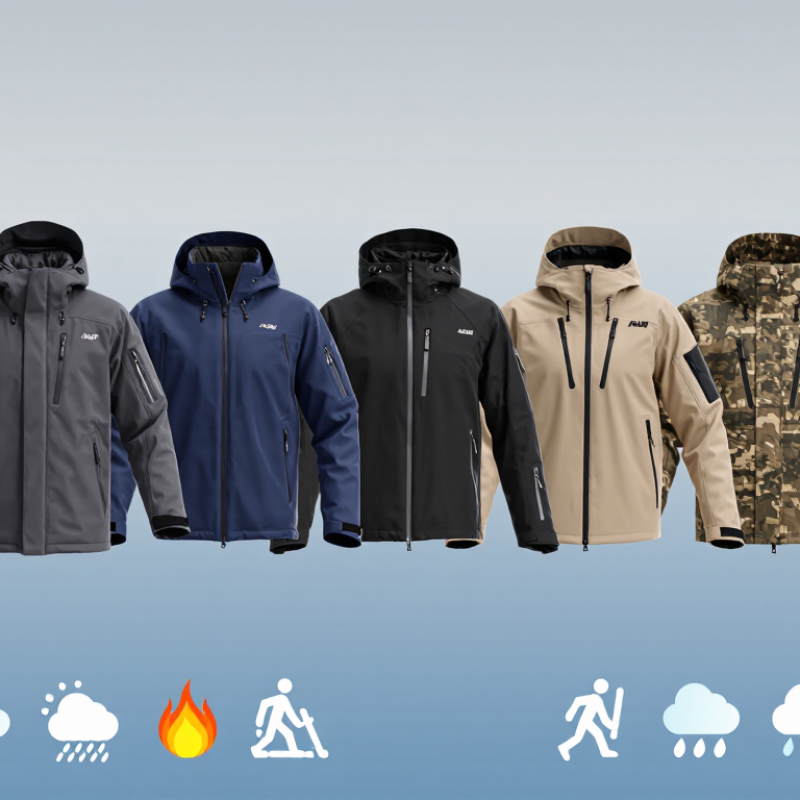
For global buyers, a tactical winter jacket must match climate, movement, and layering habits. The seven strongest options serve different cold-weather tasks. They include a Level 7 parka, a compact insulated jacket, and an expedition insulated jacket. Two soft shells add flexibility, while a three-layer hardshell handles rain and wind. An insulated hardshell combines weather protection with warmth.

A Level 7 parka works well in prolonged subzero conditions. Its longer cut protects the hips, and its generous insulation supports static outdoor work. A compact insulated jacket packs easily for travel and changing temperatures. The expedition version offers thicker insulation, but it may feel bulky during active movement.

One soft shell uses fleece backing for dry, windy days. The other uses stretch fabric for climbing, driving, or fast walking.

A three-layer hardshell is the practical choice for heavy rain, wet snow, and strong wind. It needs a separate midlayer in cold weather. The insulated hardshell reduces that layering burden, although it can overheat during intense activity. Look for sealed seams, adjustable cuffs, a protective hood, and durable zippers. Check sizing carefully across local markets. My own preference has changed after wearing heavy jackets indoors; warmth alone is not enough. A slightly imperfect fit can reduce comfort, ventilation, and real-world performance.

Global Market Comparison: EN 343 Waterproof Classes and ISO 811 Testing

Choosing a tactical winter jacket for global buyers requires more than checking fabric labels. EN 343:2019 classifies protective clothing against rain through water penetration and breathability performance. Its waterproofness assessment uses hydrostatic pressure testing under EN ISO 811. Higher classes generally require stronger resistance, including performance after conditioning and wear simulations.

ISO 811 measures how much water pressure a fabric withstands before leakage appears. A laboratory sample faces steadily increasing pressure, like rising water against a sleeve seam. Real jackets can perform differently. Zippers, stitching, abrasion, and poor maintenance may reduce protection. That matters in freezing rain.

According to Grand View Research’s 2024 outdoor apparel report, the global outdoor apparel market was valued at approximately USD 19.8 billion in 2023. This growth increases demand for measurable protection, not vague “all-weather” claims. Buyers should request the EN 343 class, test conditions, and ISO 811 results from suppliers. Class 4 sounds impressive. It is not magic.

Breathability also deserves attention. A waterproof shell may trap sweat during patrols or long commutes. The European standard uses resistance to evaporative heat transfer, known as RET, to assess breathability. Lower RET values indicate easier vapor movement. I would compare waterproofness, RET, seam construction, insulation weight, and post-wash performance together. One overlooked detail remains common: a strong fabric cannot rescue an unsealed cuff.

Sourcing Checklist: Materials, Sizing, Country Regulations, and Duty Costs

For seven tactical winter jacket options, start with the sourcing checklist, not the color chart. My first sample looked warm, but its thin lining failed during a windy field test. Insulation, shell fabric, seam sealing, and hood adjustment need separate checks. Textile Exchange’s Materials Market Report 2024 reports 124 million tonnes of global fiber production in 2023. Polyester represented roughly 57 percent. Recycled content can reduce virgin input, but certification documents still require verification.

Sizing creates hidden costs. Request chest, sleeve, back length, and hem measurements in centimeters. Test at least three body sizes with thermal layers underneath. A size chart alone is not enough. Ask for shrinkage data after washing. Country rules also matter. EU buyers should review REACH chemical requirements and textile labeling rules. Importers elsewhere should check their local product-safety authority before ordering bulk units.

Tips: Build a compliance file for every style. Include fiber composition, test reports, care labels, origin evidence, and packing details. Confirm the correct HS code with a customs broker. Duty rates depend on classification, origin, customs value, and trade agreements. The World Customs Organization’s HS system supports international classification, but national tariff schedules decide the payable rate. Calculate freight, duty, taxes, inspection fees, and possible returns. Incoterms can shift unexpected charges. I still allow a contingency budget, because customs interpretations are not always predictable.