Top Benefits of Using Airless Bottles for Packaging Solutions?
In the evolving landscape of packaging solutions, the "Airless Bottle" stands out for its innovative design and functionality. Industry expert Dr. Emily Thompson notes, “Airless technology not only protects products but also enhances user experience.” This perspective highlights the crucial role of airless systems in preserving product integrity.
Airless bottles mitigate exposure to air, preventing oxidation and contamination. This feature is especially important for sensitive formulations like serums and creams. The design often includes a simple pump system that delivers the product smoothly, ensuring optimal usage until the very last drop.
Many brands are recognizing the sustainability benefits as well. Airless bottles are often made from recyclable materials. However, the shift to airless packaging is not without challenges. Many manufacturers face higher production costs and require adjustments in filling technology. This ongoing transition necessitates continuous adaptation and learning in the industry.
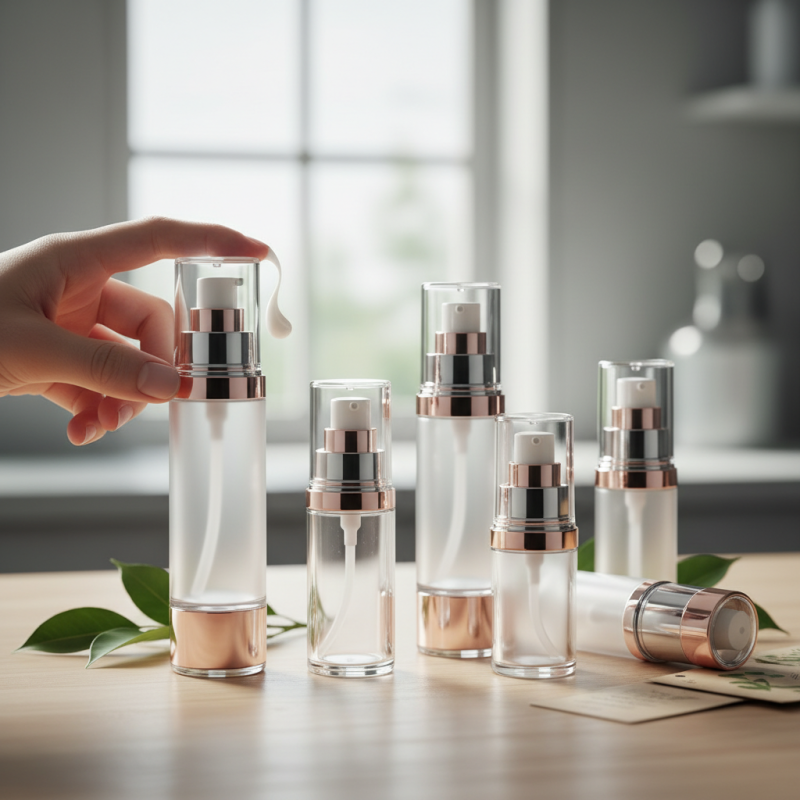
Understanding Airless Bottles: Mechanism and Design Features
Airless bottles represent an innovative advancement in packaging solutions. They are designed to protect the content from air exposure, which can degrade both efficacy and quality. By utilizing a vacuum mechanism, these bottles dispense products without introducing air, thus preserving their integrity. This design minimizes waste and allows for more efficient use of the product.
The structure of airless bottles typically includes a sealed container with an internal piston. When the pump is pressed, the piston moves up, pushing the product out without allowing air to mix in. This mechanism ensures the product remains uncontaminated, enhancing safety for consumers. Additionally, many airless bottles are also aesthetically appealing, appealing to brand-conscious customers.
However, not every airless bottle is perfect. Some users might experience difficulty with the pump after multiple uses. It can be frustrating if the product does not fully dispense, leading to waste. Balancing design efficiency with user experience is essential in ongoing product development. The challenge lies in creating a bottle that is both functional and user-friendly while ensuring it meets high standards for safety and preservation.
Enhanced Product Preservation: Reducing Contamination and Oxidation
Airless bottles have revolutionized product storage and preservation. Their design minimizes exposure to air, reducing oxidation significantly. This is crucial for sensitive formulations like skincare and cosmetics. With less air contact, the integrity of active ingredients is maintained longer. This ensures that consumers receive the product in its intended potency.
Contamination is another critical issue in product preservation. Airless bottles limit the risk of introducing bacteria during use. Each pump dispenses the required amount without compromising the rest of the product. This feature enhances hygiene, making it ideal for personal care items.
While airless bottles offer great advantages, some users may encounter issues. For instance, the dispensing mechanism can sometimes be challenging to operate smoothly, leading to frustration. Additionally, the initial cost may be higher than traditional packaging. These factors should be considered when making packaging decisions. Nonetheless, the benefits of enhanced preservation and reduced contamination highlight the effectiveness of airless bottles in creating reliable packaging solutions.
Consumer Benefits: Ease of Use and Precise Dispensing
Airless bottles are transforming the packaging landscape. Their design enhances user experience through ease of use and precise dispensing. An industry report indicates that 70% of consumers prefer packaging that allows for accurate application. This is crucial for products like serums and creams, where the right amount is essential.
The airless system minimizes contamination. It prevents air exposure, preserving ingredients' integrity. This feature is particularly valuable for sensitive formulations. Data shows that products in airless packaging maintain efficacy longer, with some studies reporting up to 30% less degradation. Consumers want assurance that they are using high-quality products.
**Tips:** Always check the dose. A little goes a long way with airless bottles. Remember, over-dispensing can lead to wastage. Also, consider the ease of handling; ergonomic designs can enhance user experience. Reflect on your packaging choices. Is it truly meeting your needs? Evaluating options can lead you to better solutions.
Top Benefits of Using Airless Bottles for Packaging Solutions
Sustainability Considerations: Eco-Friendly Packaging Solutions
Airless bottles offer a compelling solution in the pursuit of sustainable packaging. By minimizing product exposure to air, they extend shelf life and reduce waste. The use of these bottles aligns with eco-friendly practices that many companies are adopting. According to a report from Smithers, sustainable packaging is expected to grow at an annual rate of 5.3% through 2024. This growth is a clear reflection of environmental concerns dominating consumer preferences.
Airless technology often incorporates recyclable materials, decreasing landfill contributions. A study by the Environmental Protection Agency (EPA) states that packaging accounts for nearly 30% of waste in landfills. By choosing airless bottles, brands can significantly lower this percentage. These bottles not only protect contents from oxidation but also encourage customers to recycle, fostering a culture of environmental responsibility. Yet, the challenge remains: not all consumers understand proper recycling methods.
Transitioning to sustainable packaging isn't without difficulties. The initial costs of airless bottles can deter companies, but long-term savings on product spoilage should be considered. The shift requires education on the benefits of eco-friendly packaging. It’s important to engage consumers about how they can participate in these sustainable practices. This will create a more responsible packaging culture that benefits both brands and the planet.
Top Benefits of Using Airless Bottles for Packaging Solutions
| Benefit | Description |
| Enhanced Product Protection | Airless bottles prevent air exposure, reducing oxidation and prolonging product shelf life. |
| Precise Dosage | The design allows for exact dispensing, minimizing waste and ensuring every drop counts. |
| Sustainability | Many airless bottles are made from recycled materials and are recyclable, reducing environmental impact. |
| User-Friendly Design | The pump system is easy to use, providing a hassle-free experience for consumers. |
| Aesthetic Appeal | Modern and sleek designs enhance the product's visual appeal, attracting more customers. |
| Reduced Contamination | The airless system minimizes contact with external elements, protecting the formula from contamination. |
Diverse Applications: Industries Benefiting from Airless Technology
Airless bottles have gained popularity in various industries, thanks to their unique benefits. The cosmetics industry, for example, benefits significantly from this technology. According to a report by MarketsandMarkets, the airless packaging market is projected to reach $4.58 billion by 2026, reflecting a compound annual growth rate of 6.5%. This showcases the increasing demand for products that maintain product integrity and extend shelf life.
Pharmaceuticals also see great advantages from airless bottle technology. These containers minimize contamination risks, crucial for high-value medications. A study published by the International Journal of Pharmaceutics highlighted that airless packaging reduces oxygen exposure, which can degrade active ingredients. With 27% of pharmaceuticals struggling with stability issues due to air, the need for effective solutions is evident.
In the food sector, airless bottles help preserve flavors and freshness. They prevent oxidation, extending the usability of products. Research indicates that airless packaging can maintain food quality for 30% longer than traditional methods. However, transitioning to these advanced solutions comes with challenges, including higher production costs. Industries must carefully weigh these factors against the benefits, ensuring sustainable practices remain at the forefront.