

7 Scent Perfume Buying Tips for Global Buyers?
Buying Scent Perfume across borders requires more than choosing an attractive bottle. Fragrance strength, ingredient quality, packaging, shipping conditions, and local labeling rules can affect the entire purchasing experience. A scent that feels elegant in Paris may seem too intense in Singapore or too light in Canada. Personal taste changes with climate, skin chemistry, and daily habits. Small details matter.
This guide presents seven practical tips for global buyers, based on common purchasing challenges and professional fragrance evaluation practices. It explains how to check product authenticity, review ingredient information, compare fragrance notes, and assess seller reliability. Buyers should also examine batch codes, return policies, storage conditions, and available safety documentation. Regulations differ between markets, so responsible sellers should provide clear and accurate information without making unsupported promises. Ask questions early.
Experienced shoppers still make mistakes. A polished website does not always prove product quality. A familiar brand may also have different packaging for different regions. Sample sizes can reduce costly errors, especially when purchasing woody, floral, or concentrated formulas online. Temperature exposure during transport deserves attention, since prolonged heat may alter the fragrance’s character. No checklist is flawless, but careful comparison improves confidence. These tips are designed to help buyers make informed, lawful, and practical decisions while respecting regional requirements and individual preferences.
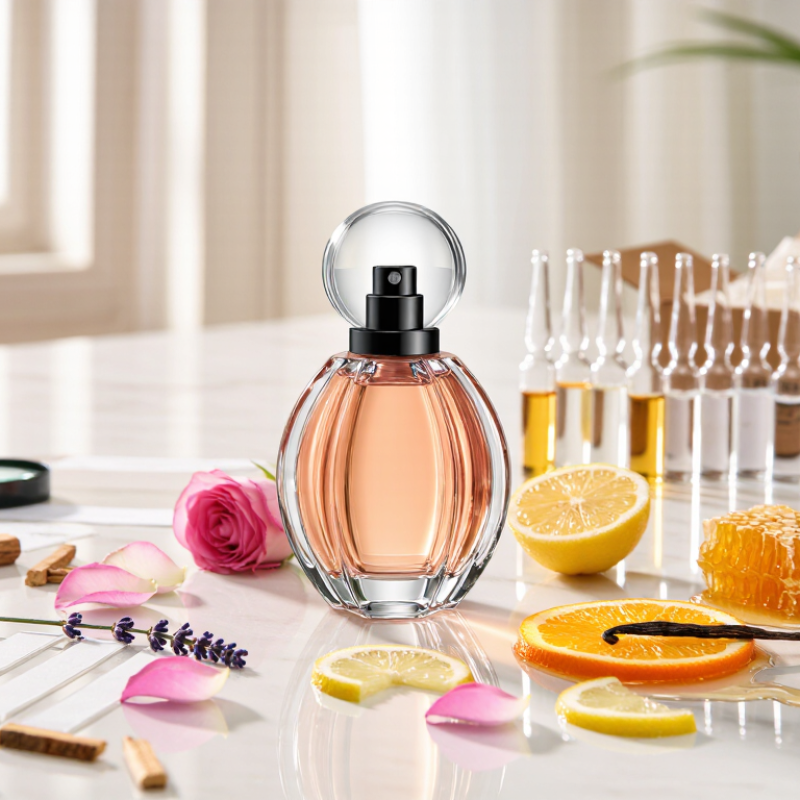
Classify Scent Families: EDP Commonly Contains 15–20% Fragrance Oil
When buying perfume internationally, classify the scent family before comparing prices. Common families include citrus, floral, woody, aromatic, amber, and gourmand. Each family creates a different wearing experience. Citrus can feel bright and brief, while woody notes often remain warmer and longer on skin.
Eau de Parfum commonly contains 15–20% fragrance oil, but this range is not universal. Formulas differ by manufacturer, market, and production batch. Concentration alone does not guarantee performance. A well-made Eau de Parfum may project softly, while another may feel intense after one spray. Check the product specification, ingredient information, fill volume, and batch details before ordering.
Test carefully. Spray on a blotter first, then wait several minutes for the opening notes to settle. Skin chemistry can change the result. In humid climates, sweet and amber scents may feel heavier. Dry weather can make fresh notes seem sharper. I once judged a woody perfume too quickly and missed its smoother dry-down. That was my mistake.
Buy smaller sizes when possible. It reduces waste and allows a genuine wear test. Store perfume away from sunlight, heat, and bathroom humidity. For international purchases, confirm packaging, delivery conditions, and destination-market requirements through reliable seller documentation. A clear return policy also matters, especially when scent descriptions remain subjective.
7 Scent Perfume Buying Tips for Global Buyers — Classify Scent Families: EDP Commonly Contains 15–20% Fragrance Oil
| Buying Tip | What to Check | Practical Reference | Why It Matters for Global Buyers | Recommended Action |
|---|---|---|---|---|
| 1. Classify the Scent Family | Identify whether the fragrance is floral, citrus, woody, amber, chypre, or aromatic. | Floral scents often emphasize flowers; citrus scents use bright citrus notes; woody scents feature woods such as cedarwood or sandalwood. | Scent preferences differ by market, climate, season, and consumer culture. | Request the fragrance family and a complete note pyramid before placing an order. |
| 2. Verify the Concentration | Check the stated fragrance-oil concentration and product category. | Eau de Parfum commonly contains approximately 15–20% fragrance oil, although ranges vary by formula and supplier. | Concentration influences perceived intensity, wear time, price, and labeling expectations. | Ask for the specification sheet and avoid comparing products by category name alone. |
| 3. Evaluate Longevity Realistically | Review wear-test results rather than relying only on the concentration label. | Longevity depends on formula composition, skin type, application amount, temperature, humidity, and clothing. | The same fragrance can perform differently in a dry, cool region versus a hot, humid region. | Test on skin and fabric under conditions similar to the target market. |
| 4. Match the Formula to the Climate | Consider temperature, humidity, seasonality, and typical indoor environments. | Light citrus, fresh, and aromatic profiles may feel suitable in warm weather; richer amber and woody profiles may feel stronger in heat. | Climate affects evaporation, projection, comfort, and consumer acceptance. | Use climate-specific samples and provide lighter application guidance for hot conditions. |
| 5. Check Ingredient and Allergen Information | Request the ingredient list, allergen declaration, safety documentation, and applicable conformity information. | Fragrance products may contain substances that require declaration under the rules of the destination market. | Cosmetic labeling and restricted-substance requirements differ between jurisdictions. | Confirm the destination-country requirements before finalizing artwork or shipment. |
| 6. Inspect Packaging and Transport Safety | Review bottle closure, leakage resistance, carton protection, batch coding, and shipping classification. | Many alcohol-based perfumes are flammable liquids and may be subject to transport restrictions. | Packaging failures and incomplete transport documents can cause damage, delays, or rejected shipments. | Approve a pre-shipment sample and confirm the carrier’s dangerous-goods requirements. |
| 7. Compare Samples and Total Cost | Compare scent quality, concentration, bottle size, packaging, minimum order quantity, freight, duties, and compliance costs. | The lowest unit price may not be the lowest landed cost after testing, documentation, shipping, insurance, and import charges. | A consistent evaluation method reduces purchasing risk across different suppliers and markets. | Use a weighted scorecard covering scent, performance, compliance, packaging, lead time, and total landed cost. |
Note: Fragrance-oil percentages are general industry reference ranges rather than universal legal definitions; always verify the supplier’s technical documentation and destination-market requirements.
Related Posts
-
Unlocking the Art of Scent: A Global Journey Through Exquisite Perfume Offerings
-
2026 Top Scent Perfume Trends You Need to Know?
-
Maximizing Aroma Fragrance Value through Superior Customer Support and Repair Cost Efficiency
-

7 Tips for Choosing the Best Natural Scented Perfumes to Elevate Your Fragrance Game
-

Unlocking the Secrets: A Comprehensive Guide to Sourcing Perfume Ingredients Worldwide
-
How to Identify Top Tier Skin Cosmetics Manufacturers for Global Sourcing