2026 Best Turf Football Shoes for Wholesale Buyers?
Planning a 2026 wholesale range means looking beyond colorways and retail hype. The Sports & Fitness Industry Association’s 2024 Topline Participation Report estimated that 19.6 million Americans played soccer in 2023, a 4.5% increase from 2022. That figure describes participation, not shoe sales. Still, it gives buyers useful context when assessing potential demand for Turf Football Shoes across clubs, schools, and specialist retailers. Local playing habits matter, too. A buyer serving short-pile artificial pitches may need a different assortment from one supplying mixed indoor and outdoor venues.
Product selection should begin with the playing surface and fit. Compare outsole stud patterns, rubber compound, upper durability, sizing consistency, and expected use. Ask suppliers for wear-test methods, material specifications, and clear defect policies. FIFA’s Quality Programme for Football Turf evaluates playing-surface performance; it does not certify footwear. That distinction matters when reviewing supplier claims. Small details count.
A dependable buying plan also tests samples with players before committing to large orders. Check traction during turns, pressure around the forefoot, and how the outsole behaves on the pitches customers actually use. Consider replenishment lead times and size-curve flexibility, not just unit price. Industry reports can guide planning, but they cannot predict every regional trend. That assumption needs testing. For 2026, the strongest wholesale choices will pair credible product evidence with careful local feedback—and leave room to revise the range when real sales data arrives.
What Turf Football Shoes Are and How They Differ from Other Cleats
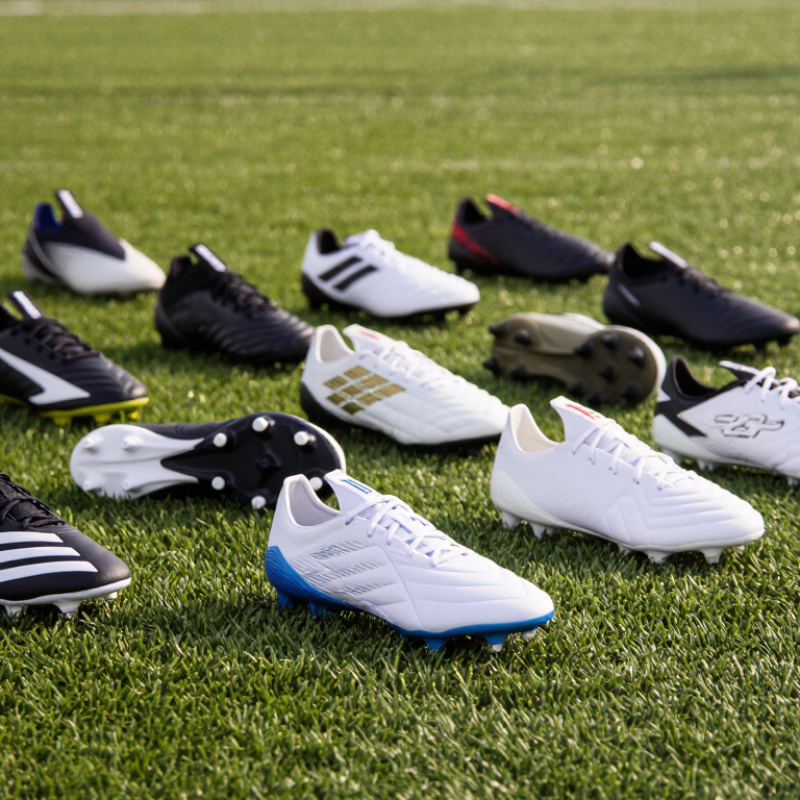
Turf football shoes are designed for short, dense artificial surfaces. Their outsoles usually have many small rubber nubs instead of a few long studs. This spreads pressure across the foot and can support quick direction changes on firm turf. The feel is often lower and more stable than a traditional grass cleat. No sole fits every surface. On natural grass, longer studs can penetrate the ground and provide grip, while turf nubs may feel less secure in wet or soft conditions. Indoor court shoes are different again, with flatter outsoles for smooth floors. The distinction sounds simple, but buyers can miss it when product photos hide the sole pattern.
Tips: For wholesale checks, compare nub height, spacing, rubber firmness, and outsole flexibility. Ask suppliers to identify the intended surface, then test samples on the kind of turf your customers use.
For product selection, consider fit and durability alongside traction. A snug heel and enough room for the toes can reduce rubbing during sharp turns. Check whether the nubs show uneven wear after repeated use; that detail may reveal more than a polished catalog image. Some players also use turf shoes on hard natural ground, but the grip may not suit every field. Wholesale buyers should avoid treating “turf” as one universal surface. Artificial pitches differ in pile, infill, and firmness, so a sample test is useful, even if it takes extra time.
2026 Best Turf Football Shoes for Wholesale Buyers
What turf football shoes are: Turf football shoes use many short, closely spaced rubber traction elements designed for artificial-turf surfaces. Compared with firm-ground cleats, they spread pressure more evenly, reduce excessive penetration, and support quick lateral movements.
Wholesale takeaway: Turf models typically feature the highest number of short traction elements, while firm-ground cleats use fewer, longer studs for natural grass. Artificial-ground designs generally sit between these two categories, and indoor shoes rely on a flat rubber outsole rather than studs. Actual counts vary by outsole pattern and size.
How Turf Surfaces Shape Shoe Design and Performance
Turf surfaces are shorter, firmer, and more abrasive than natural grass. These conditions strongly influence how football shoes should be designed. During product evaluations, I look closely at outsole contact, toe protection, and stud spacing. Small design choices can affect comfort across a full training session.
Turf-specific outsoles usually use many short, closely placed rubber lugs. They spread pressure across the surface and reduce excessive stud penetration. A flexible sole helps players turn quickly without feeling trapped. However, too much flexibility may reduce stability during sharp cuts. It is a trade-off.
Abrasion matters greatly for wholesale buyers. Repeated toe dragging can quickly damage weak upper materials. Reinforced toe areas, tight stitching, and durable synthetic panels deserve careful inspection. Breathable linings also help manage heat, although ventilation can reduce water resistance. No construction solves every problem.
That detail is often missed.
Cushioning should match the field, not merely feel soft in a showroom. Turf can create repetitive impact under the heel and forefoot. Moderate cushioning may support comfort while preserving ground feedback. Excessive padding can make movement feel slow. Buyers should request wear testing on actual turf, review outsole separation, and compare several foot shapes before placing large orders. Lab results help, but player feedback sometimes reveals uncomfortable truths.
2026 Best Turf Football Shoes for Wholesale Buyers? - How Turf Surfaces Shape Shoe Design and Performance
Buyer note: There is no universally best turf football shoe for every artificial surface. Outsole suitability depends on the pitch construction and the shoe maker’s guidance; fit, playing frequency, and local surface conditions should also inform selection.
Which Features Matter Most When Comparing 2026 Turf Shoes
When comparing 2026 turf football shoes, wholesale buyers should inspect the outsole before the color or packaging. Short, evenly spaced rubber studs can improve grip on artificial turf. The rubber compound also affects traction, flexibility, and surface wear. A rigid sole may feel secure, but it can limit natural movement. Check that the outsole bends near the forefoot, not through the middle.
Fit consistency matters greatly for bulk orders. Measure the internal length, width, and heel shape across several sizes. A secure heel reduces slipping during sharp turns. A padded tongue can improve comfort without adding excessive weight. Breathable mesh helps manage heat, while reinforced toe areas protect against repeated contact. Small details matter here. Poor stitching can cause early separation.
Wholesale buyers should request production samples, abrasion testing, and size measurements before confirming quantities. Test shoes on dry and slightly damp turf, because traction can change noticeably. Packaging should protect the upper from crushing during transport. Material claims also require verification through supplier documents and inspection records. Some buyers still focus too heavily on appearance. That is understandable, but it can hide weak construction. Even a promising sample may not represent every production batch, so random quality checks remain necessary.
How Wholesale Buyers Can Assess Quality, Sizing, and Durability
2026 Best Turf Football Shoes for Wholesale Buyers
Wholesale buyers should judge turf football shoes as working equipment, not merely attractive samples. Examine upper stitching, heel counters, toe reinforcement, and sole bonding. Pull seams gently and inspect glue lines under bright light. Uneven bonding often predicts early separation. Ask for material specifications and production tolerances. A sample can look excellent while later batches vary. That risk deserves a written inspection plan.
Sizing needs measured evidence. Request an outsole length chart, internal length, width data, and fit notes. Compare these measurements with common customer foot shapes in your target market. Try at least three sizes with football socks. Check heel slip during acceleration and pressure across the little toe. Good lockdown should not create numbness. Size labels are not always consistent. A small fitting trial may prevent a large return problem.
Durability testing should imitate training, not showroom handling. Use repeated sprints, sharp cuts, and abrasive turf over several sessions. Record sole wear, stud deformation, stitching, and odor retention. Turf surfaces differ, so one test cannot represent every customer. In my own inspections, comfortable pairs sometimes failed at the toe after heavy wet use. That finding is useful, but not universal. Ask factories for batch records, replacement policies, and independent test reports when available. Keep several pairs for follow-up checks after six months. They reveal problems that launch samples hide.